As the impact of climate change becomes more evident each year, ski resorts across the U.S. Midwest and Europe are being forced to adapt in creative ways to ensure the survival of their winter seasons. One of the most innovative strategies gaining attention is “snow farming,” a method that involves collecting and preserving snow from the early months of winter to extend the availability of ski runs well into spring and even summer.
Resorts are using specialized equipment and storage techniques to protect snow from melting, piling it into shaded areas covered with insulating layers of wood chips or geotextile blankets. When temperatures rise and natural snowfall becomes scarce, the stored snow is redistributed across slopes, keeping trails open and ensuring that visitors still have access to skiing and snowboarding activities.
For many resorts, this practice has become not just a novelty but a necessity. Winters in the Midwest are now shorter and warmer than in decades past, and the traditional reliance on consistent snowfall can no longer sustain business. By embracing snow farming, resorts are attempting to protect their revenue streams, maintain jobs in mountain communities, and continue providing opportunities for outdoor recreation.
Beyond the economic benefits, snow farming is also sending a message: climate change is no longer a distant threat but a current reality reshaping the future of winter sports. Athletes and coaches are taking note as well, recognizing that training conditions are shifting and that future competitions may increasingly depend on man-managed snow resources. Critics point out that while snow farming buys time, it is not a long-term solution to the challenges posed by global warming.
Energy consumption, water use, and ecological impact all remain concerns. However, supporters argue that without such innovations, entire communities that rely on winter tourism could collapse. The practice, already common in parts of Scandinavia, Austria, and Switzerland, is spreading quickly in North America, highlighting how the global winter sports industry is adapting to survive.
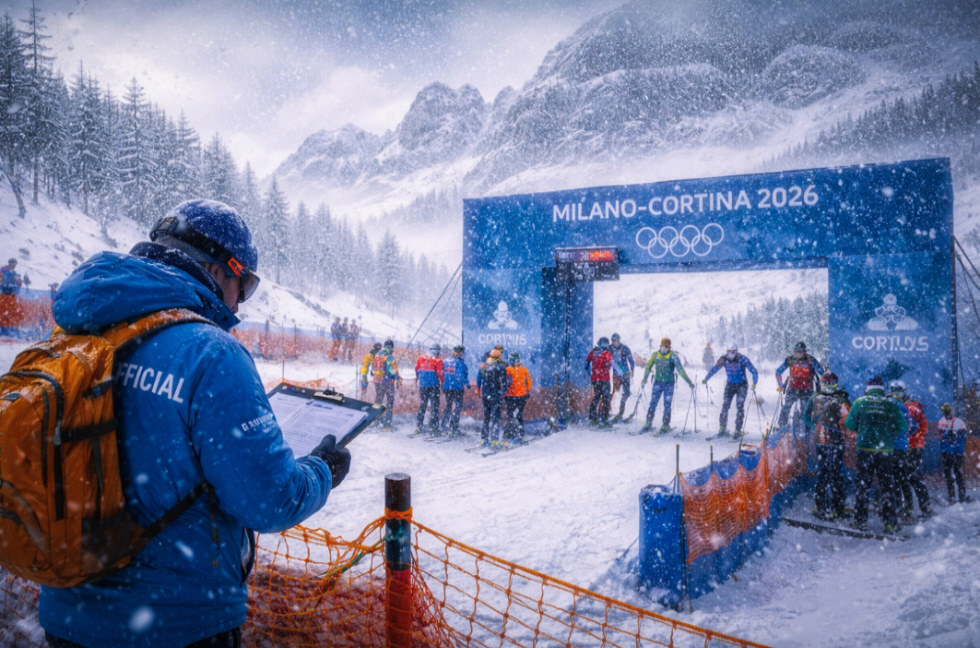
The image of workers covering large mounds of snow to shield it from the sun may seem surreal, but it has become a defining symbol of how climate change is reshaping traditions that once seemed eternal. As the world looks ahead to the Milan-Cortina 2026 Winter Olympics, the presence of snow itself is no longer taken for granted. Snow farming, while imperfect, represents resilience in the face of a warming planet, an attempt to keep the magic of winter alive for athletes and fans alike.