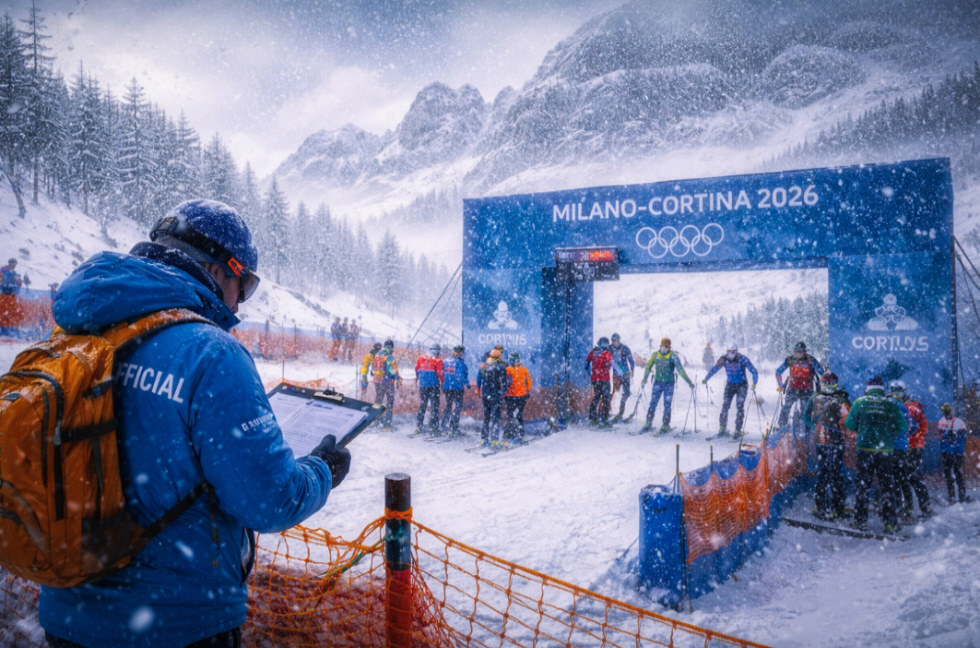
The build-up to the 2026 Winter Olympics in Milan-Cortina has become increasingly political and controversial, as the International Olympic Committee (IOC) confirmed that Russian and Belarusian national teams will remain banned from the Games in response to their countries’ ongoing actions in Ukraine. While individual athletes from these nations may still be permitted to participate under the strict designation of “Individual Neutral Athletes,
” they will do so without any national symbols, anthems, or uniforms, and cannot compete as part of official national squads in team sports such as ice hockey, ski relay, or curling. This decision is especially significant in disciplines like ice hockey, where the absence of Russian stars such as Alex Ovechkin dramatically alters the competitive landscape.
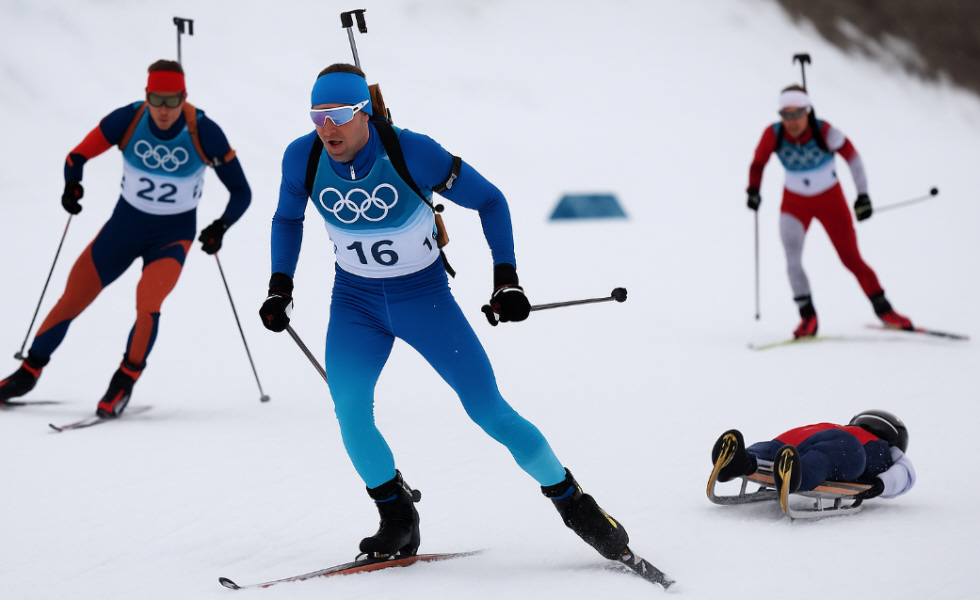
The International Biathlon Union (IBU) has gone even further, implementing its own regulations that completely bar Russian and Belarusian athletes from entering Olympic biathlon events, regardless of neutral status. This means one of the most iconic winter disciplines will proceed without competitors from two countries that have historically been powerhouses in the sport.
Similarly, the International Luge Federation (FIL) voted to prohibit Russian participation altogether, stating that no athletes from the country will be admitted even under a neutral flag. These rulings have sparked outrage from Russian sporting authorities, who argue that their athletes are being unfairly punished for political conflicts beyond their control. In response, Russia’s Olympic Committee has signaled its intent to appeal these exclusions to the Court of Arbitration for Sport (CAS), claiming discrimination and demanding reinstatement before the Games begin.
The IOC, however, has stressed that its position is a matter of protecting the integrity and safety of the Games, while also aligning with international sanctions. With less than a year before the opening ceremony, these bans have reshaped the competitive balance of several sports and have become one of the defining storylines leading into Milan-Cortina, raising questions not only about who will compete for medals but also about the role of politics in shaping the Olympic spirit.